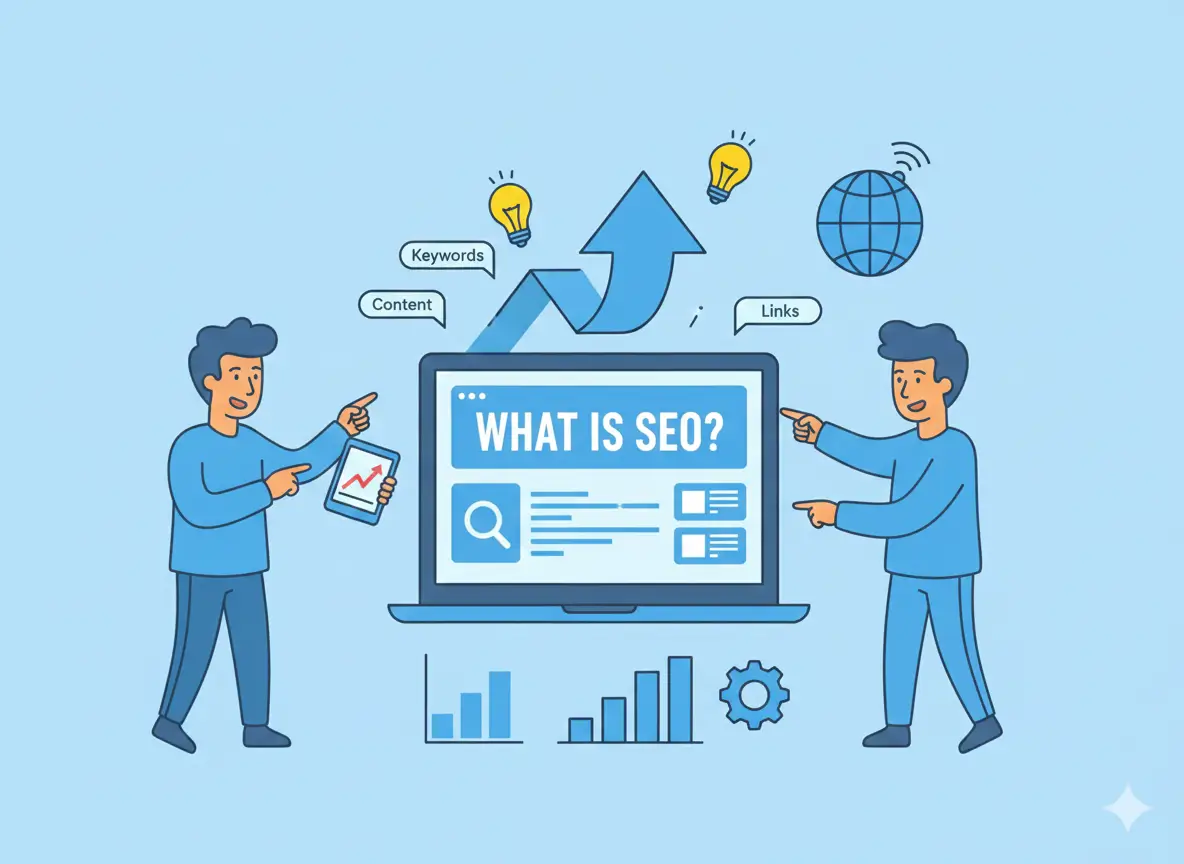
If you want your website pages to rank higher on Google, get more organic traffic, and actually attract the right audience, that is called on page SEO.
Many people think SEO is all about backlinks or technical tweaks, but the truth is, on page SEO is the foundation of everything.
What is On Page SEO?
On page SEO (also called on-site SEO) is the process of optimizing elements on your website pages to help search engines understand your content and rank it for relevant search queries.
Unlike off page SEO, which focuses on backlinks and external signals, on page SEO is fully under your control.
On page SEO includes things like:
- Writing helpful and relevant content
- Using keywords naturally
- Optimizing title tags and meta descriptions
- Structuring content with proper headings
- Improving page speed and mobile usability
- Adding internal links and optimizing images
Think of on page SEO like organizing a book. If the book has clear chapters, headings, a table of contents, and easy language, readers can understand it better. Search engines work the same way.
Why On Page SEO Is Important for Google Rankings
On page SEO is important because it directly affects how search engines and users interact with your website. Google’s main goal is to provide the most relevant and useful results to users. If your page is well-optimized, Google can easily see its value.
Here’s why on page SEO matters so much:
First, it helps search engines understand your content. Google uses crawlers to scan your pages. Clear headings, optimized content, and proper keyword placement make it easier for these crawlers to understand what your page is about.
Second, it improves user experience. A well-structured page with readable content, fast loading speed, and mobile-friendly design keeps users engaged. When users stay longer and interact with your site, it sends positive signals to Google.
Third, it improves click-through rates. Optimized title tags and meta descriptions encourage users to click your page in search results. Even if you rank well, a poor title can cost you traffic.
According to hubspot, more than 75% of users never go beyond the first page of Google. That means if your page isn’t optimized properly, you’re missing out on a huge amount of traffic.
How Search Engines Use On Page SEO Signals
To understand on page SEO better, it helps to know how search engines work. Search engines like Google follow three basic steps: crawling, indexing, and ranking.
Crawling is when Google bots scan your website and read your content. Indexing is when Google stores and organizes that information.
On page SEO plays a role in all three stages. Clear content structure helps crawling. Proper keyword usage helps indexing. User-friendly design and relevant content help ranking.
Imagine Google as a librarian. If your book has a clear title, chapters, and summaries, the librarian can easily catalog it and recommend it to readers. On page SEO does exactly that for your web pages.
Core On Page SEO Factors You Must Optimize
Keyword Research for On Page SEO
Keyword research is the starting point of on page SEO. If you don’t know what people are searching for, you can’t create content that matches their needs.
Start by identifying a primary keyword, such as on page SEO. Then find secondary and semantic keywords related to it, like on page SEO optimization, on page SEO checklist, and on site SEO.
Search intent is just as important as keywords. Ask yourself: are users looking for information, a guide, or a solution? For on page SEO, most users want educational and practical information.
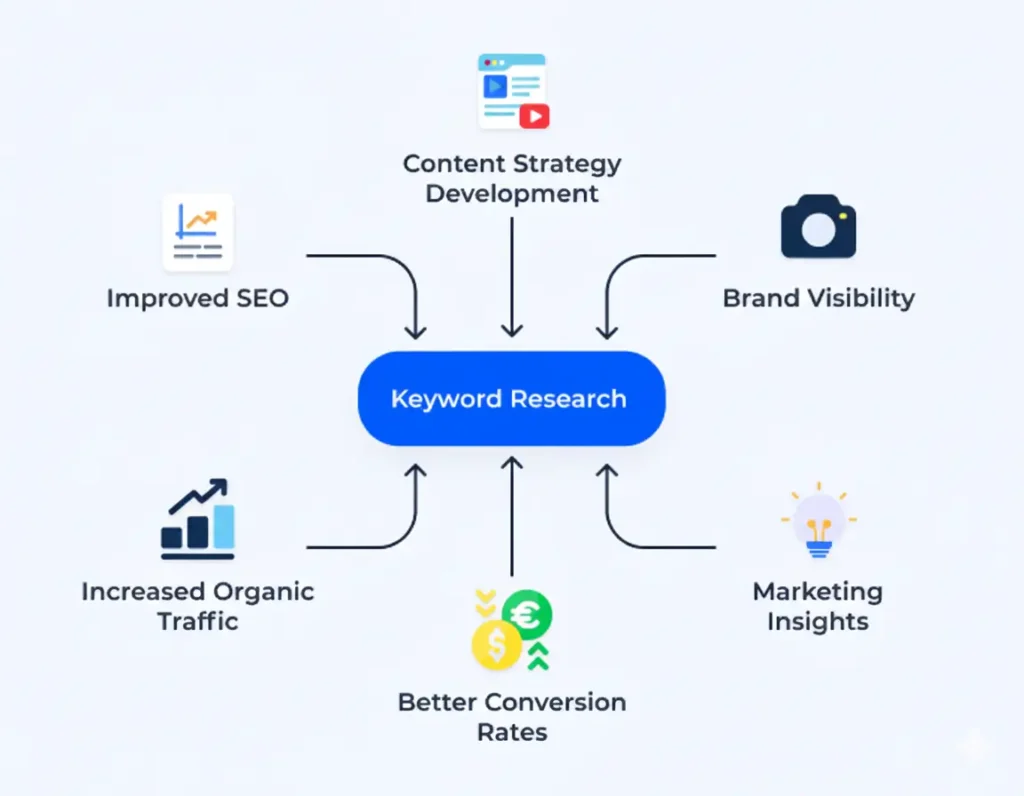
Good keyword research helps you create content that answers real questions, not just content that sounds SEO-friendly.
Title Tag Optimization
The title tag is one of the most important on page SEO factors. It tells both users and search engines what your page is about. A good title can improve rankings and increase click-through rates.
Your title should be:
- Between 50–60 characters
- Clear and descriptive
- Include the main keyword naturally
For example, a weak title would be “SEO Guide.” A strong title would be “On Page SEO: A Complete Guide for Better Google Rankings.”
Avoid keyword stuffing. Focus on clarity and relevance instead.
Meta Description Optimization
Meta descriptions don’t directly affect rankings, but they strongly influence clicks. A well-written meta description can convince users to choose your page over others.
A good meta description:
- Is around 150–160 characters
- Summarizes the page clearly
- Includes the focus keyword naturally
Think of it as a short advertisement for your page. Write it for humans first, not search engines.
SEO-Friendly URL Structure
URLs should be simple, readable, and relevant. A clean URL helps users understand what the page is about and improves trust.
For example:
- Bad URL: website.com/page?id=123
- Good URL: website.com/on-page-seo-guide
Use hyphens instead of underscores, avoid unnecessary words, and include your main keyword when possible.
Header Tags Optimization (H1, H2, H3)
Header tags help structure your content and make it easier to read. They also help search engines understand the hierarchy of information.
Your page should have only one H1, which usually matches or closely resembles the title. H2 and H3 headings should be used to break content into logical sections.
Using keywords in headings is helpful, but only when it feels natural. Don’t force them.
Content Optimization for On Page SEO
Content is the heart of on page SEO. No amount of optimization can save poor content. Your content should be original, helpful, and written for humans.
Focus on answering questions clearly. Add depth by explaining concepts, giving examples, and offering practical tips. Long-form content often performs better because it covers topics more thoroughly.
However, length alone is not enough. Quality always comes first. Avoid fluff and repetition.
Keyword Placement Best Practices
Keyword placement still matters, but the old days of keyword stuffing are gone. Instead, focus on natural usage.
Good places to include your main keyword are:
- In the first 100 words
- In headings where relevant
- Throughout the content naturally
- In image alt text (when appropriate)
Write naturally, and let keywords fit into the flow of your content.
Image Optimization for SEO
Images improve user experience, but they can also slow down your site if not optimized. Proper image optimization is an important part of on page SEO.
Use descriptive file names instead of generic ones. Add alt text that describes the image clearly. Compress images to reduce file size without losing quality.
Optimized images help with page speed and accessibility, both of which matter for SEO.
Internal Linking Strategy
Internal links connect pages within your website. They help search engines discover new pages and understand site structure. They also keep users engaged by guiding them to related content.
Use descriptive anchor text instead of generic phrases like “click here.” Link naturally where it adds value to the reader.
A strong internal linking strategy improves crawlability and user experience at the same time.
External (Outbound) Linking
Linking to authoritative external sources can improve credibility and trust. It shows search engines that your content is well-researched and connected to reliable information.
Page Speed Optimization
Page speed is a confirmed ranking factor. Slow pages frustrate users and lead to higher bounce rates.
Simple ways to improve page speed include:
- Compressing images
- Using caching
- Reducing unnecessary scripts
Studies show that even a one-second delay can reduce conversions by up to 7%. Faster pages mean better user experience and better rankings.
Mobile-Friendly Optimization
Google uses mobile-first indexing, which means it primarily uses the mobile version of your site for ranking. If your site isn’t mobile-friendly, your rankings may suffer.
Use responsive design, readable fonts, and proper spacing. Make sure buttons and links are easy to tap on small screens.
Mobile usability is no longer optional—it’s essential.
User Experience (UX) and Engagement Signals
User experience plays a major role in on page SEO. Google pays attention to how users interact with your site.
Important UX signals include:
- Bounce rate
- Time on page
- Ease of navigation
Clear layout, readable content, and logical structure keep users engaged and encourage them to explore more pages.
Schema Markup and Structured Data
Schema markup helps search engines understand your content better. It can also help your pages appear with rich results, such as star ratings or FAQs.
While schema doesn’t guarantee higher rankings, it can improve visibility and click-through rates.
Complete On Page SEO Checklist
A practical on page SEO checklist helps ensure you don’t miss anything important. Every page should be reviewed for keyword usage, content quality, headings, internal links, page speed, and mobile usability.
Using a checklist makes on page SEO more systematic and less overwhelming, especially for beginners.
Common On Page SEO Mistakes to Avoid
Many websites fail to rank because of simple mistakes. Keyword stuffing is one of the most common. It makes content unreadable and can hurt rankings.
Duplicate content, missing title tags, slow page speed, and poor mobile design are also common problems. Avoiding these mistakes can instantly improve your SEO performance.
Best Tools for On Page SEO Optimization
Several tools can help you analyze and improve on page SEO. Google Search Console helps you monitor performance and indexing issues. Google Analytics shows user behavior. SEO tools like SEMrush, Ahrefs, and Rank Math provide deeper insights.
Tools don’t replace good content, but they make optimization easier and more accurate.
On Page SEO vs Off Page SEO
On page SEO focuses on optimizing content and elements within your website. Off page SEO focuses on external factors like backlinks and brand mentions.
Both are important, but on page SEO comes first. Without a strong on page foundation, off page efforts won’t be as effective.
The Future of On Page SEO
On page SEO continues to evolve. Google’s helpful content updates focus on rewarding pages written for humans, not search engines. AI, voice search, and user intent are shaping the future of SEO.
Experience, expertise, authority, and trust (E-E-A-T) are becoming more important than ever. Creating genuinely helpful content is the best long-term strategy.
Final Thoughts
On page SEO is not about tricks or shortcuts. It’s about creating valuable content, organizing it properly, and making it easy for both users and search engines to understand. When done right, on page SEO builds a strong foundation for long-term rankings and organic traffic.
By following the best practices, avoiding common mistakes, and focusing on user experience, you can improve your visibility and compete effectively in search results. Whether you’re a beginner or an experienced marketer, mastering on page SEO is one of the smartest investments you can make for your website’s growth.